Practical Steps to Plan, Install, and Care for Year-Round Comfort Systems
Begin with scope and intent: define what comfort, efficiency, and reliability mean for your space today and five years from now. List key rooms, occupancy patterns, and operating hours. Assess existing electrical capacity, ventilation paths, and structural constraints. Then align these realities with goals for temperature control, moisture management, and acoustics. Early clarity reduces rework later, especially when multiple systems, like Heating and Air Conditioning, must coexist without conflict.
Next, examine building envelope basics. Insulation levels, air sealing quality, and window conditions often drive load more than equipment ratings. Verify attic and wall conditions, and document measured drafts around doors and penetrations. In practice, a tighter envelope lets you downsize equipment and extend lifecycle. Meanwhile, improved envelope control also stabilizes humidity, which benefits Indoor Air Quality and can limit unnecessary run times across seasons.
After envelope review, develop a measured load calculation. Avoid rules of thumb that oversize units and create short-cycling. Instead, capture square footage, orientation, glazing, and internal gains. Then phase your plan: select capacity, airflow targets, and duct design together. Sequence return placements to minimize noise and hot spots. Finally, validate that registers serve each zone proportionally, keeping static pressure within recommended ranges for quiet, efficient operation.
Beyond that, consider equipment families. Traditional split systems suit many homes, while a ductless mini split helps where duct paths are impractical or for selective zoning. Heat pumps can provide both Heating and cooling with fewer components, useful in mixed climates. For buildings with special needs, Commercial HVAC & Refrigeration demands rugged controls and redundancy. Choose components with serviceable parts and clear documentation to simplify future upkeep.
Then map controls and sensors. Thermostat location matters as much as model selection. Avoid direct sunlight, drafts, and heat sources. Calibrate temperature and humidity readings, and confirm fan profiles match duct design. Smart schedules can buffer peak loads and shave energy use without sacrificing comfort. However, keep manual overrides simple for guests or staff, and document setpoints so seasonal adjustments are quick and consistent.
Meanwhile, plan condensate handling, drainage slopes, and freeze protection. Small oversights here cause big headaches. Inspect pan pitch, trap depth, and line insulation. Where humidity is a challenge, add dedicated dehumidification or consider heat pump modes that better control latent loads. For Ice Machines nearby, separate drains and ensure adequate ventilation so heat rejected from production does not elevate surrounding room temperatures.
Often, noise control is the hidden differentiator. Select blower speeds that balance airflow and acoustics, and use lined plenums where appropriate. Isolate outdoor units from bedrooms and conference rooms, and verify vibration pads are level. Beyond selection, refine duct transitions to avoid whistling and pressure spikes. Document final readings for static, temperature split, and amperage so future comparisons quickly flag drift from baseline performance.
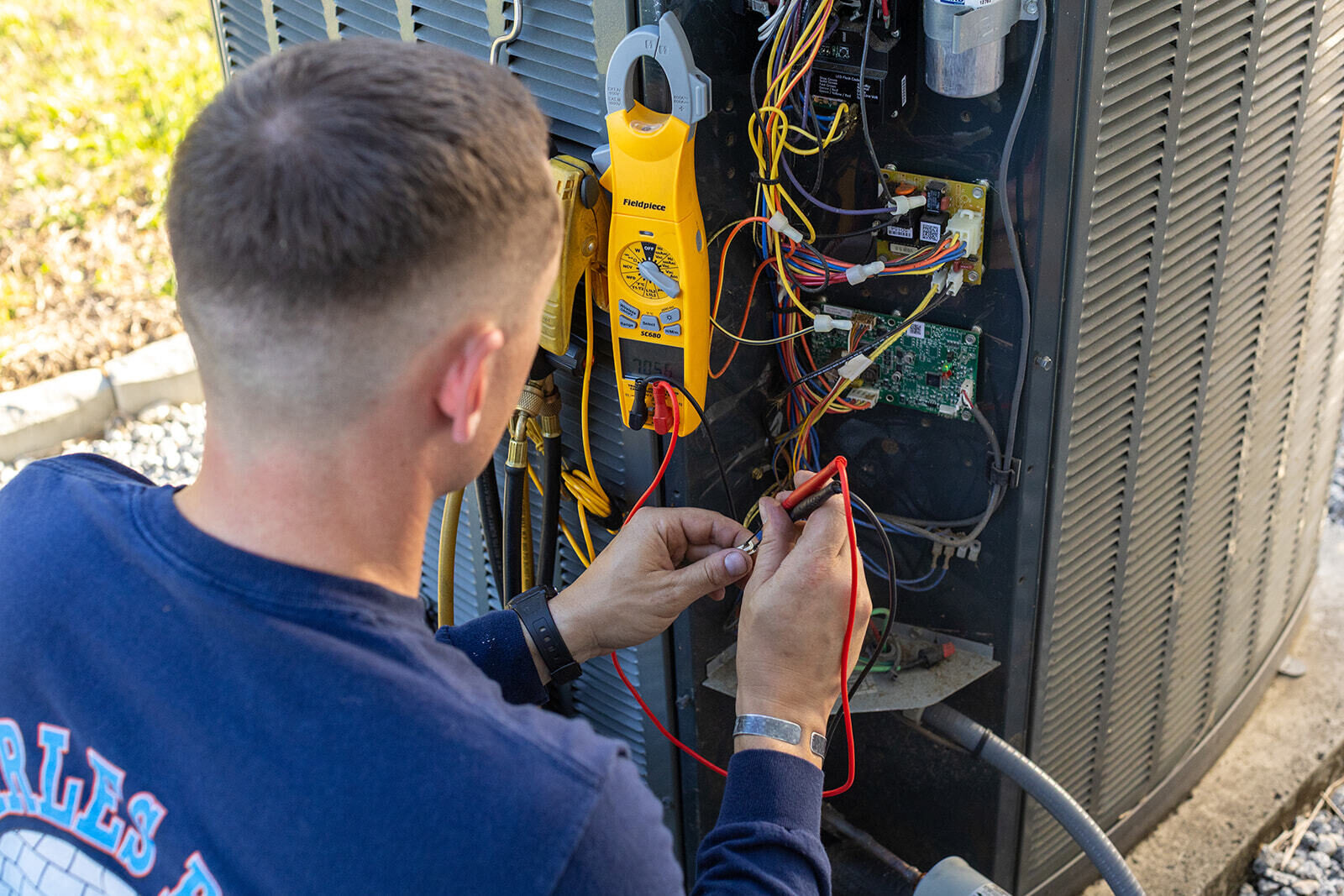
Then schedule HVAC Maintenance with intent, not habit. Seasonal checkups should include coil cleaning, refrigerant verification, drain clearing, and electrical inspections. Replace filters based on measured pressure drop rather than a fixed calendar. Inspect belts, bearings, and contactors before they fail. Finally, keep a simple log of service dates, findings, and corrective actions; this record supports warranty claims and guides smarter replacement timing.
However, budgets and timelines still matter. Stage work to minimize downtime: rough-in ducts and line sets before finishes, set equipment after dust-generating tasks, and commission when the space is stable. Validate performance under typical load, not on a mild day with open doors. If phasing upgrades, prioritize envelope fixes first, then distribution, then equipment, so each step compounds benefits and avoids premature capacity choices.
Ultimately, a well-planned system is a lifecycle decision, not a single install. Inspect annually, maintain proactively, and refine controls as occupants and usage evolve. When expanding, verify panel capacity, refrigerant compatibility, and clearance before adding zones. In practice, this steady, documented approach keeps comfort consistent, operating costs predictable, and unexpected outages rare, whether you manage a home, a storefront, or a busy facility.